
How to Start Feeder Fishing: A Beginner’s Guide
Feeder fishing for beginners can feel like a step up from float fishing at first, there’s a rod to choose, a feeder to select, and a cast to get right before you’ve even thought about bait. In reality it’s one of the most reliable ways to catch fish across all kinds of venues, rivers, lakes, commercials, and once the basics click, it becomes second nature.
Here’s what you need to know to get started with a feeder rod in hand.
Choosing a Feeder Rod
A dedicated feeder rod is usually 9 to 11ft long with a soft, sensitive tip section designed to show up subtle bites, a slight wobble or a gentle bend rather than the dramatic pull you might expect. For beginners, a light “picker” style rod around 7 to 10ft is a sensible starting point, ideal for shorter range fishing on commercial pools and smaller natural venues.
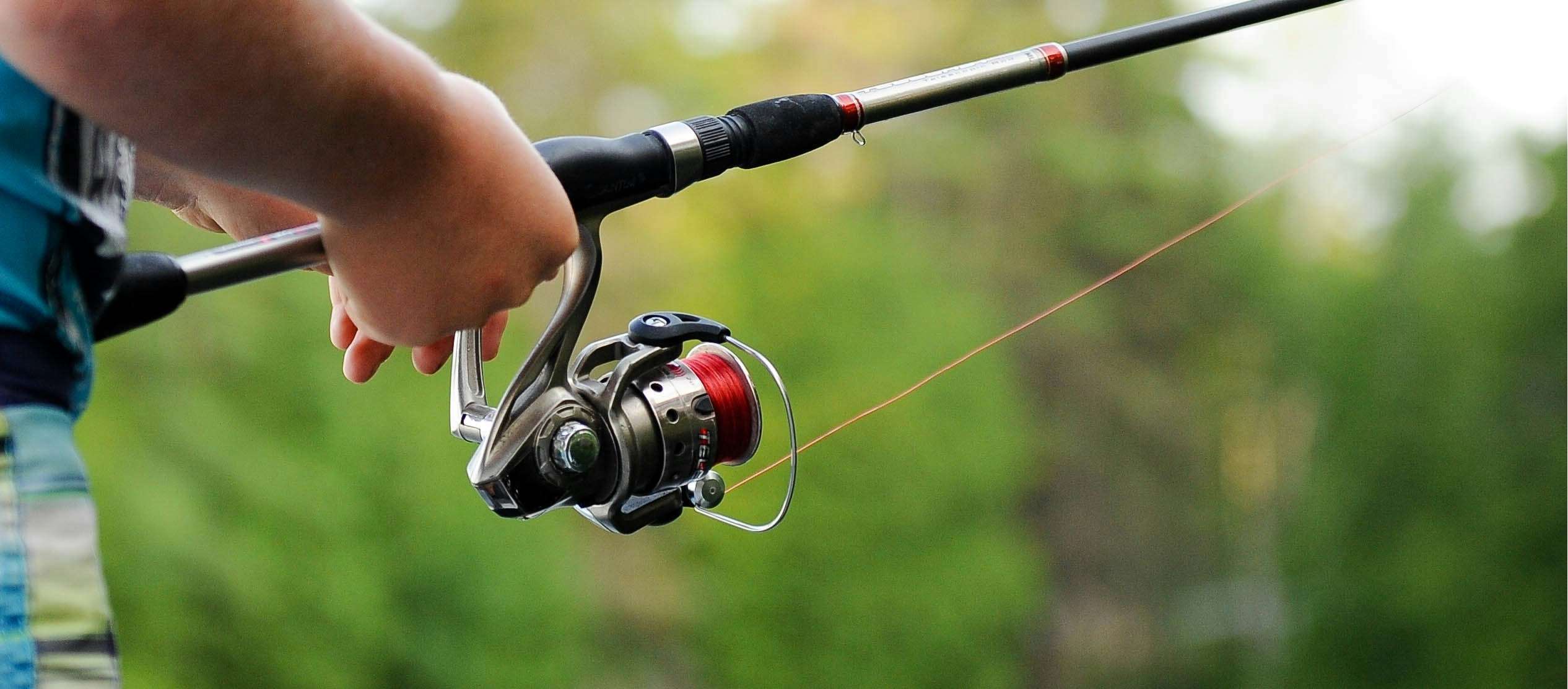
Pair your rod with a small, reliable reel loaded with 6-8lb line, enough strength for most coarse fishing situations without being heavy handed on lighter bites.
Understanding Feeder Types
Feeders come in a few main styles, and picking the right one makes a real difference:
- Open-end feeders – ideal for groundbait, releasing feed steadily as it fishes
- Cage feeders – great for loose feed like maggots or pellets, and a good all-rounder for beginners
- Block-end feeders – suited to particle baits and slower release, useful in flowing water
If you’re not sure where to start, an open-end feeder is a forgiving choice while you learn how everything fits together.
Feeder Fishing for Beginners: Rig Basics
There are two straightforward ways to set up a feeder fishing rig:
- Inline assembly – the feeder sits directly on the main line with a short hook length, usually 4 to 6 inches. Simple, effective, and a great option while you’re learning.
- Loop assembly – the feeder attaches via a loop on the main line, making it quick and easy to swap feeders without re-tying your whole rig.
Start with an inline assembly if you’re new to feeder fishing, it removes one variable while you focus on casting and bite detection.
Casting Accurately
Feeder fishing rewards accuracy more than distance. The aim is to land your feeder in roughly the same spot every cast, ideally within half a metre, so your bait builds up in one area rather than spreading fish-holding feed across the swim.
A simple way to stay consistent is to use a line clip on your reel once you’ve found the right distance, so every cast lands in the same place without having to guess.
Reading Bites on the Feeder
Unlike float fishing, feeder bites show up on the rod tip rather than a float. Hold the rod with the tip slightly raised and watch for a wobble, a slow pull round, or a sharp knock. Once you see it, a smooth, controlled lift is usually enough to set the hook, there’s no need for a dramatic strike.
Choosing Your Bait
Match your bait to what you’re targeting. Sweetcorn and boilies work well for carp, while maggots, casters and smaller pellets suit roach and other silvers. Groundbait mixed into your feed helps build a swim over the course of a session, drawing fish in and keeping them feeding.
Feeder Fishing for Beginners: Final Notes
Feeder fishing for beginners is as much about patience and practice as it is about gear, but starting with the right rod, a simple rig, and a clear idea of what you’re targeting puts you well ahead.
Browse our full range of fishing rods, reels and accessories, and luggage to carry it all, all designed and built by anglers who fish the same waters you do. Find out more about Middy.